Navigation
Acadamic Infrastrcture
A Modern Academic Approach at Azizi Public School
Overview of Academic Philosophy: Azizi Public School follows a modern and student-focused academic philosophy designed to build strong foundational knowledge along with moral values and life skills. Our approach emphasizes conceptual understanding, discipline, and holistic development, ensuring students grow academically, socially, and emotionally.
We believe learning should go beyond rote memorization. Our teaching practices encourage curiosity, critical thinking, creativity, and practical application of knowledge. Through a balanced blend of academics, co-curricular activities, and value education, we prepare students to confidently face future challenges.
Teaching Methods / Approach:
Key teaching methods include:

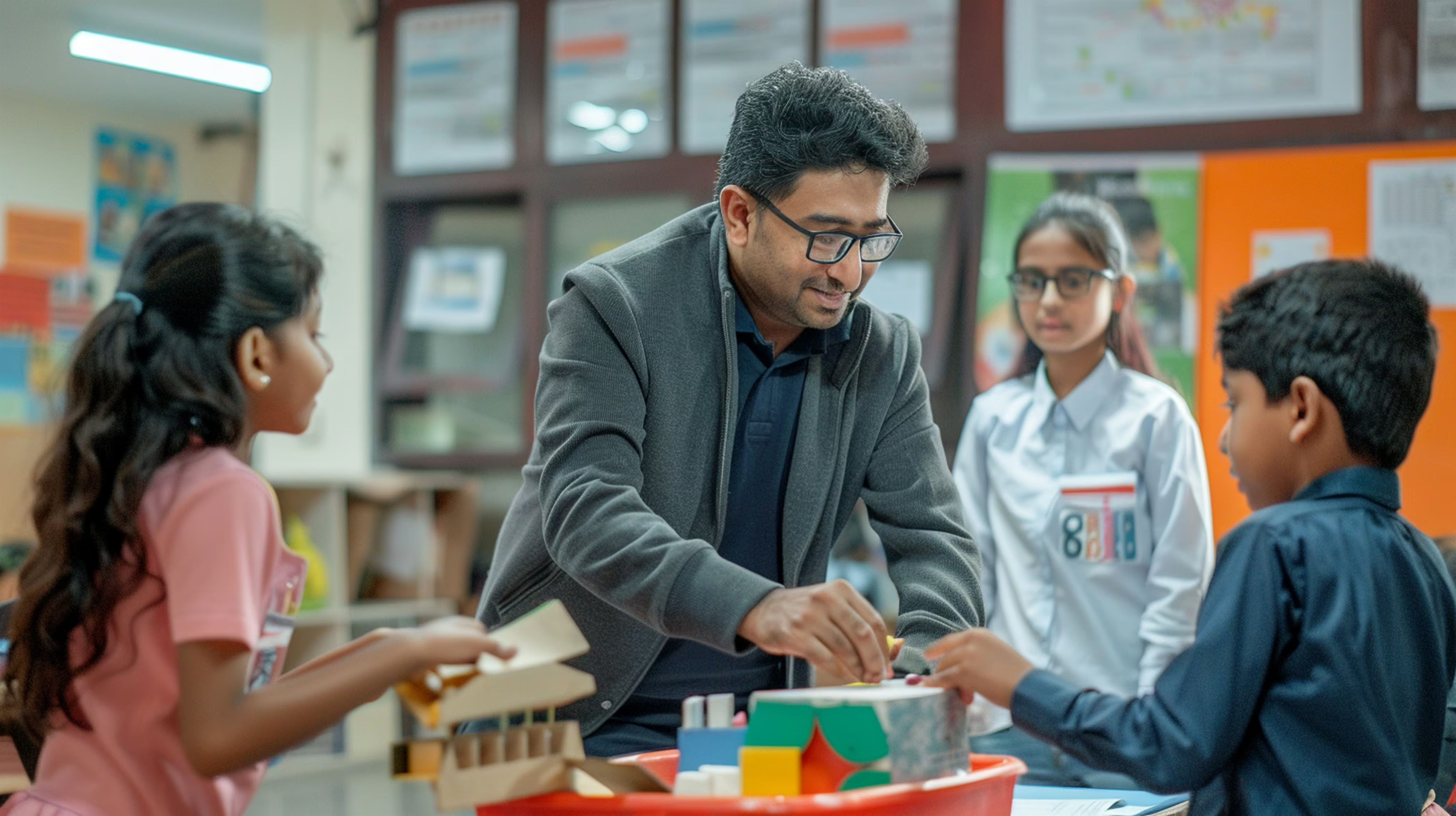
Experiential Learning
Students engage in hands-on activities, projects, and real-life examples to connect learning with practical experience.
Concept-Based Learning
We focus on clarity of concepts through interactive teaching, helping students understand subjects deeply and effectively.

Inquiry-Based Learning
Curiosity-driven learning encourages students to ask questions, explore ideas, and develop independent thinking skills.
Collaborative Learning
Group activities and teamwork promote communication skills, cooperation, leadership, and peer learning.


Personalized Learning
Teachers provide individual attention, addressing each student’s learning pace, strengths, and areas for improvement.
Technology Integration
Smart classes and digital tools enhance classroom learning, making lessons engaging and easy to understand.

Language and Communication Focus
Special emphasis is given to English communication and language basics, helping students gain confidence and clarity in expression.

Assessment & Evaluation Details :Key
- Ongoing Learning Assessments: Regular class tests, assignments, quizzes, and activities help monitor continuous learning progress.
- Term-End Performance Evaluation : Periodic examinations are conducted to evaluate students’ academic performance at the end of each term.
- Competency & Skills Assessment : Focus on assessing understanding, problem-solving ability, creativity, and application of knowledge.
- All-Round Student Evaluation (CCE) : Evaluation covers academic performance, behavior, discipline, participation, and co-curricular involvement.
- Student Reflection & Peer Review : Students are encouraged to reflect on their learning and participate in group reviews for overall growth.
- Parent Communication & Feedback: Regular feedback and communication help parents stay informed about their child’s academic development.
Academic Calendar Highlights
- Academic Session Period: The academic session begins in April and continues till March.
- Term Structure: The academic year is organized into two major terms, supported by regular evaluations and class tests.
- Vacation & Holiday Schedule: The school observes holidays as per the academic calendar, including summer break, winter holidays, and important national festivals.
- Examination Schedule : Students appear for unit tests, term examinations, and the annual assessment to measure academic progress.
- Parent Interaction Meetings: Scheduled parent-teacher meetings help maintain regular communication regarding student learning and development.
- Academic & Enrichment Activities: The calendar includes sports, cultural events, educational visits, and celebrations to support overall student growth.